
Stupid, Simple Reasons: Remembering Sam Faddis

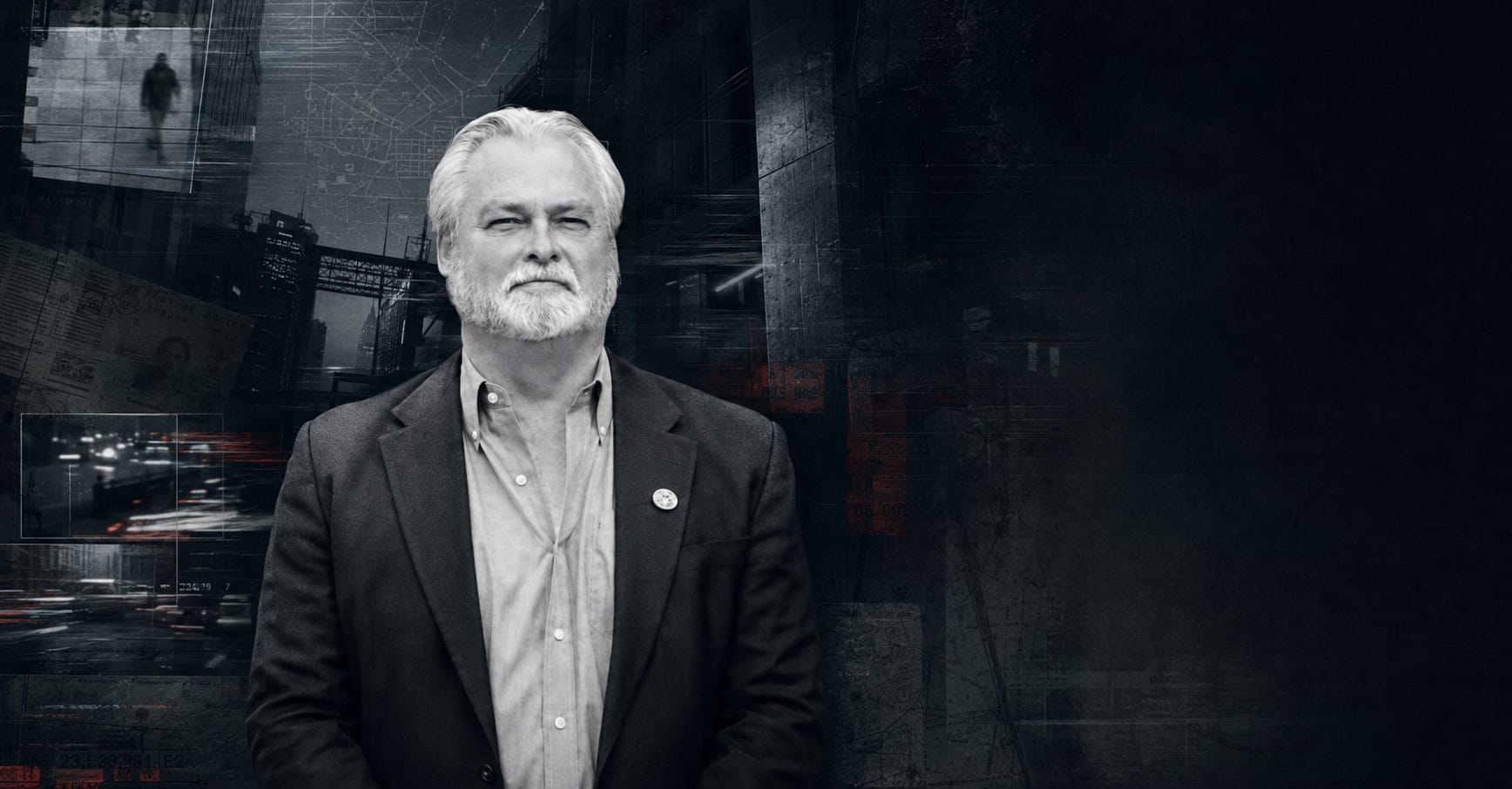
Without ever outright saying it, Sam Faddis insinuated time and time again that I would get exhausted by politics and the revolving door of journalism.
At 23, I didn’t like admitting when someone was right.
I was at the Washington Times for two months and I was already getting frustrated with what I was seeing on our headlines and outside our office doors in Washington D.C.. Corrupt politicians, international terrorist plots, growing tensions in Eastern Europe, an emboldened China, all the things that patriots look at and think “is anyone going to do anything serious about all this?”
I was already a 2nd LT in the Army National Guard, that however wasn’t enough for me. In the middle of the night after work, I logged onto my laptop and attempted to apply for multiple job postings at the Central Intelligence Agency.
There was a problem though...
The job application portal, the same one that asked you to upload a PDF of your resume, and then wanted you to retype your entire resume into the form fill on the page, wouldn’t save. I tried again the next day, and the next day, and the next day, then it said my guest account credentials expired and I create the applicant portal again.
Yes, I thought I was stupid. Luckily, about a year later, I was having lunch with a friend of mine, and somewhere in the conversation I told him my embarrassing story about how I wanted to go work for the CIA, but I couldn’t get through the resume upload page on the job application portal.
“It kept saying there was an error on the page and making you retype everything, huh?” He said, as if he had been looking over my shoulder all those nights. Turned out he was applying and not telling anyone either, and he too was foiled by the job application portal.
I had never felt so justified...
I didn’t want to tell Sam. At that point I’d known him for about five years. He’d probably say something like “keep hitting refresh on the page.” I just moved on because a few months later the COVID-19 pandemic happened and that became my sole focus in the newsroom.
About three or four years prior to that, my then-girlfriend and now-wife took me to the Faddis’s house in Maryland. This was a regular thing we did when we’d come to stay with her family in Annapolis on long weekends while we were attending Liberty University.
One day, we had been at there house for probably six hours, so without asking they went ahead and ordered Indian food for delivery for dinner, it was as if they read my mind that I was starving, they didn’t even need to ask.
I knew enough about Sam at that point from what my wife had told me. His time in the CIA, the books he authored, the congressional campaign he had ran and lost during a lopsided primary. I also knew that Sam had a very fierce libertarian streak, a streak I myself wore on my shoulders during my extremely loud political activist days in college.
Sam agreed with me about how things should be, but where we disagreed was how to achieve the goals we had.
There isn’t a point in going into the hows and whys, that was more than a decade ago and they ultimately don’t matter. I was overly zealous and felt everyone not on my level was a sellout, I had a very black and white view of the world and saw the world through the lens of a person with very little lived experiences, like most people in their twenties.
We were eating dinner on their porch and he asked me a question about something going on in the Senate (as if I knew anything, I was a back and forth think tank intern who thought he knew everything) and why some senator voted the way they did. I must have given the most elongated, overly complicated and elaborate answer for like fifteen minutes. Looking back I was totally wrong but at that moment I felt like the most in-the-know D.C. insider ever schooling this old guy.
Sam didn’t argue or debate, that wasn’t really his style and he was probably being extra polite because I was still “Julianna’s boyfriend” and he didn’t want to school me to publicly. Sam had a way of taking down arguments in the least combative way possible.
“You overestimate how simple people actually are,” he said. That was all he had to say. I sat there kind of confused, and probably still continuing talking trying to justify all my points. He sat there looking at me kind of tired, like he had seen this before, heard all the BS before, and given the same answer a million times before.
He was right in the end, I’d have to learn the hard way over and over again that the reason certain people do things is sometimes as stupid simple as you’d think. There is no elaborate plot, just baseline tendencies.
Sam was many things. He was a man of flaws and he was a man of great talents and virtue. If Sam understood one thing solidly in the world, it was people, their motives, and what forces action out of them.
Sam wasn’t giving me his opinion of politicians, he was giving me what was probably one of the best pieces of life advice I’ve ever been given.
Sam and Gina invited me to write for their online publication AND Magazine from 2018-2019, and Sam was one of my references when I applied for work at the Washington Times.
Over the years, we had conversations on a multitude of topics big and small. When discussing the topics of politics and national security, the lesson of people’s motivations being simpler than we’d think was a recurring theme.
How often do we see someone do something heinous and try and come up with some elaborate story? How often do we try and set up plot points for when someone close to us betrays us like we’re scripting some Christopher Nolan movie?
No matter how old, affluent, or secure in life someone is— the motivation for why they choose to do the things they do, good or bad, is almost always the simple answer we knew all along but didn’t want to admit.
Money, sex, power, greed, everything falls back to a simple conclusion when the dust settles whether we want to accept it or not.
Last time I hung out with Sam was at his home in Pennsylvania in 2020. It wasn’t a great point in my life, I’m pretty sure I remember working from my laptop the entire weekend Julianna and I stayed at their house. Sam was working with activists to fight against the lockdowns and the actions enforced by the governor at the time, especially Josh Shapiro who was the Attorney General at the time.
On our last night before Julianna and I drove home, we rented the original ‘Ghostbusters’ film on Amazon and watched it after ordering Chinese takeout. I asked him what he thought about the 2016 Ghostbusters reboot.
“There’s only one Ghostbusters,” he said.
Sam was definitely right about that.
My late-friend and mentor, author and former federal agent Gary Collins, who died in 2022, I credit for showing me what the world could be like if you took more chances.
To Sam, I want to thank him for showing me what the world was like when you stopped viewing it the way you wanted too and accepted reality for what it truly is.
Ten years after that conversation at dinner on his deck, I see the world more like Sam Faddis did compared to how I did ten years younger. There is nothing wrong with saying you’re a different person than you were a decade ago. That’s not being a hypocrite, its called growth.
I’ll leave you with a quote from one of my favorite spy novelists, Anthony Horowitz; “You cannot defeat your enemies until you know who they are.”
Thank you Sam, you taught me to talk less and listen more. The truth about most things is usually hiding in plain sight.